
Beat the blue light
by Linksfield Optometrist
Prolonged exposure to the blue light on computer screens, smartphones, tablets, and other digital devices can lead to eye strain, dryness, blurred vision, headaches, even sleep disturbances. Computer glasses, also known as blue-light glasses, are specially designed to help reduce these effects…
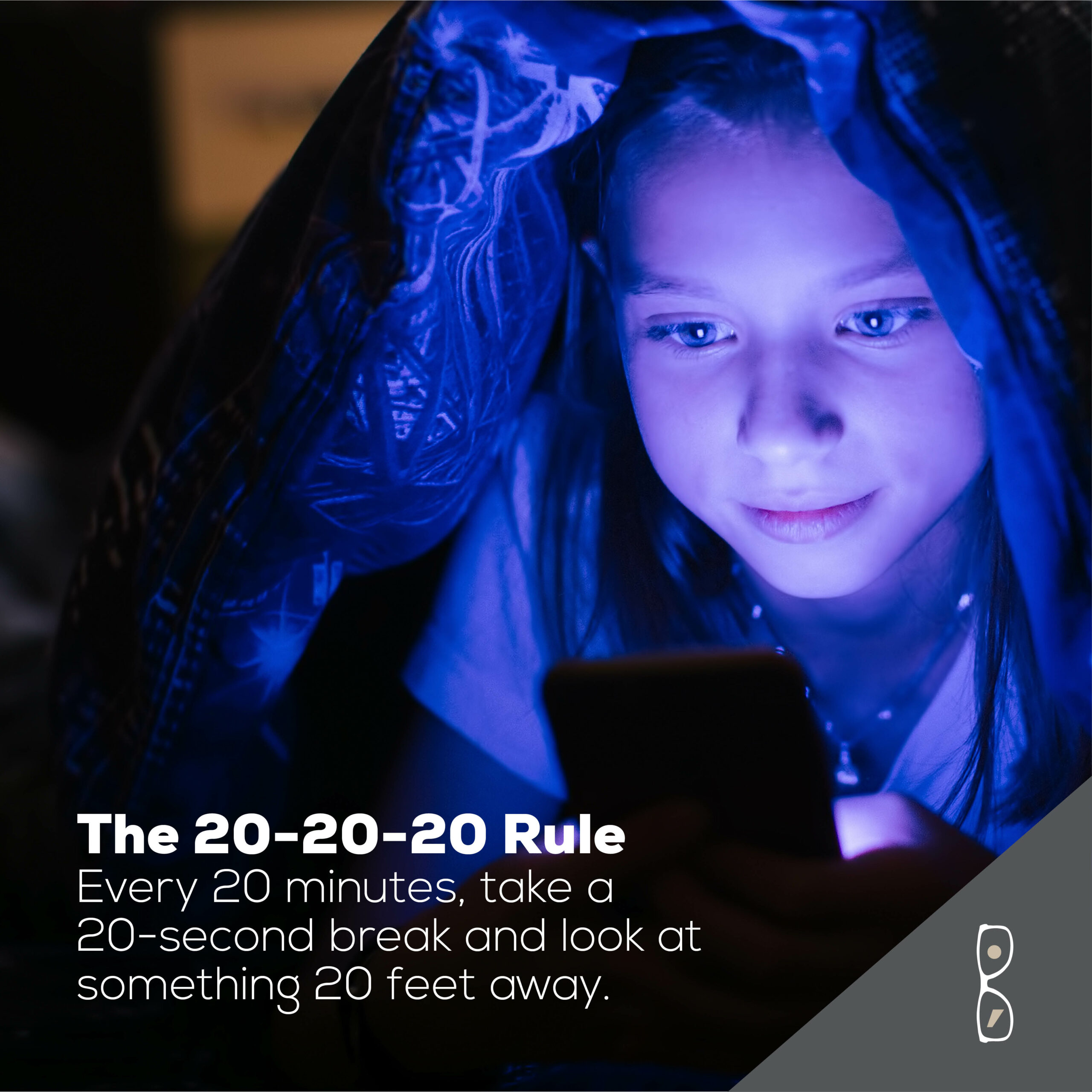
Computer glasses are equipped with lenses that have specific features to address high-energy visible light, also known as blue light. Some key characteristics of computer glasses include:
Blue-light filtering: Computer glasses often have lenses that contain a blue light filter or a specialized coating that helps to reduce the amount of blue light entering the eyes. This can help alleviate eye strain and potentially improve visual comfort during extended screen time.
Anti-glare properties: Computer glasses may have an anti-glare or anti-reflective coating on the lenses. This coating helps to reduce reflections and glare from artificial light sources, including digital screens. It can enhance visual clarity and reduce eye fatigue.
Magnification or prescription correction: Depending on individual needs, computer glasses can be customized with magnification or prescription correction. This allows users to have optimal visual acuity at the specific distance between their eyes and the computer screen.
Tint options: Some computer glasses may come with tinted lenses, such as amber or yellow tints. These tints can help enhance contrast and reduce the perceived brightness of the screen, which can be beneficial for individuals who are sensitive to bright light or have certain visual conditions.
“The human eye can’t block visible blue light, so over-exposure can contribute to eye strain and blurred vision. Blue-light glasses can block that part of the blue-light spectrum that can potentially be harmful and irritating.“
It’s important to note that while computer glasses can help alleviate eye strain and discomfort associated with digital screen use, they do not eliminate the need for practising healthy screen habits to maintain eye health and overall wellbeing in today’s digital age. Here are some tips to promote a healthier relationship with screens:
Follow the 20-20-20 rule: Every 20 minutes, take a 20-second break and look at something 20 feet away. This helps reduce eye strain and allows your eyes to rest.
Maintain proper posture: Sit upright with your back supported and ensure that your screen is at eye level to reduce neck and back strain.
Adjust screen brightness: Set your screen brightness at a comfortable level to avoid eye fatigue. Adjust it according to the surrounding lighting conditions to reduce excessive glare.
Use proper lighting: Avoid using screens in overly bright or dimly lit rooms. Opt for ambient lighting that is gentle on the eyes and reduces screen glare.
Maintain a proper viewing distance: Position your screen at a distance of about an arm’s length away, ensuring that it’s neither too close nor too far. This helps reduce eye strain and promotes comfortable viewing.
Blink often: Remember to blink regularly while using screens. Blinking helps to keep your eyes moist and prevents dryness and irritation.
Limit screentime before bed: Avoid using screens for at least one hour before bedtime, as the blue light emitted by screens can disrupt your sleep cycle.
Adjust font size and contrast: Customize the font size and contrast on your devices to ensure comfortable reading.
Lastly, schedule routine eye exams to monitor your eye health and detect any issues early on. At linksfield we can assess your specific needs and prescribe the appropriate lenses for your requirements. Call us today: 011 264 0407