
by Linksfield Optometrist
Astigmatism is one of the most common causes of blurred vision, yet it’s also one of the most misunderstood. Many people think it’s a serious eye disease, when in reality, it’s simply a refractive error – a variation in how the eye focuses light. The good news? Astigmatism is easily corrected. Here, we break down what it is, how it affects your sight and the best ways to manage it for clear, comfortable vision…
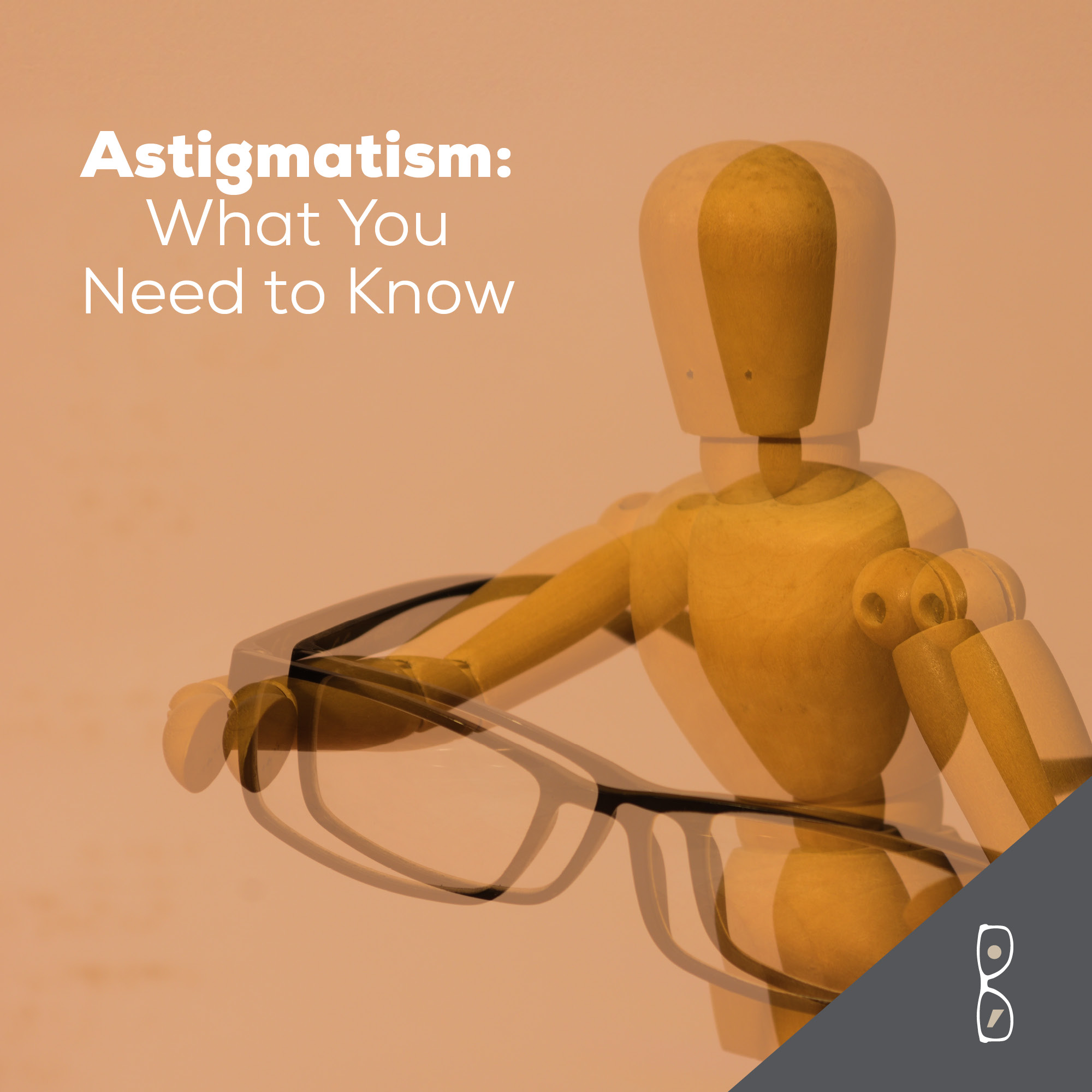
What is astigmatism?
In an ideal world, your cornea (the clear front surface of your eye) would be perfectly round – like a soccer ball. Light entering your eye would bend evenly, creating a single sharp point of focus on your retina.
However, with astigmatism, the cornea (or sometimes the lens inside the eye) has a slightly irregular shape – more like a rugby ball than a soccer ball. This uneven curvature means light rays are bent in different directions, resulting in distorted or blurred vision at all distances.
Common symptoms of astigmatism
The signs of astigmatism can vary from person to person and often overlap with other vision issues. If you experience any of these common symptoms, it’s time for a comprehensive eye exam:
- Blurred or distorted vision – at any distance.
- Eye strain or fatigue – especially after reading or screen use.
- Frequent headaches – caused by the eyes working harder to focus.
- Difficulty seeing clearly at night – lights may appear streaky or haloed.
- Squinting – you may unconsciously narrow your eyes to see more clearly.
Astigmatism often occurs alongside other refractive errors such as myopia (nearsightedness) or hyperopia (farsightedness), which can amplify visual discomfort.
What causes astigmatism?
Astigmatism is usually present from birth and may remain stable or change over time. It’s not caused by eye strain or reading in dim light (a common myth!).
Genetics play a major role – if your parents have it, chances are you might too. In some cases, astigmatism can develop after an eye injury, surgery or a condition affecting the cornea, such as keratoconus (a progressive thinning and bulging of the cornea).
How is it diagnosed?
Detecting astigmatism is simple and painless. During a comprehensive eye exam, diagnostic tools measure how your eyes bend light and assess the shape of your cornea. These tests assist with determining the type and degree of astigmatism you may have.
Even mild astigmatism can cause eye strain, so regular eye exams are essential – especially if you spend long hours on digital devices or driving at night.
Treatment and correction options
The good news is that astigmatism can be fully corrected with the right lenses or procedures. Treatment options include:
- Eyeglasses: This is the simplest and most common way to correct astigmatism. Special cylindrical lenses compensate for the uneven curvature, providing clear and comfortable vision.
- Contact lenses: Toric lenses are specifically designed to correct astigmatism by focusing light evenly onto the retina. These lenses have different curvatures in different orientations, creating distinct focusing powers to correct astigmatism. By having different refractive powers vertically and horizontally, they can address blurred vision or distorted lines that result from the eye’s uneven curvature.
- Refractive surgery: For some individuals, laser procedures like LASIK or PRK can permanently reshape the cornea to correct astigmatism. Your optometrist can advise whether you’re a good candidate.
With today’s advanced lens technology, clear, distortion-free vision is more achievable than ever.
Living comfortably with astigmatism
Most people with astigmatism lead completely normal visual lives once they’re properly corrected. Regular eye check-ups are important, though, as prescriptions can change gradually over time.
If you’re noticing blurred vision, headaches, or difficulty focusing, don’t ignore it. Schedule an eye exam with us today and take the first step in protecting your future vision.
Call 011 264 0407 or WhatsApp 060 721 5659 for more information and/or to make an appointment.
At Linksfield Optometrist, your vision is our priority!