
Focus on Diabetes
by Linksfield Optometrist
November is Diabetes Month, and with diabetic eye disease being a leading cause of blindness – often with few warning signs – early detection, timely treatment and routine follow-up testing is essential…
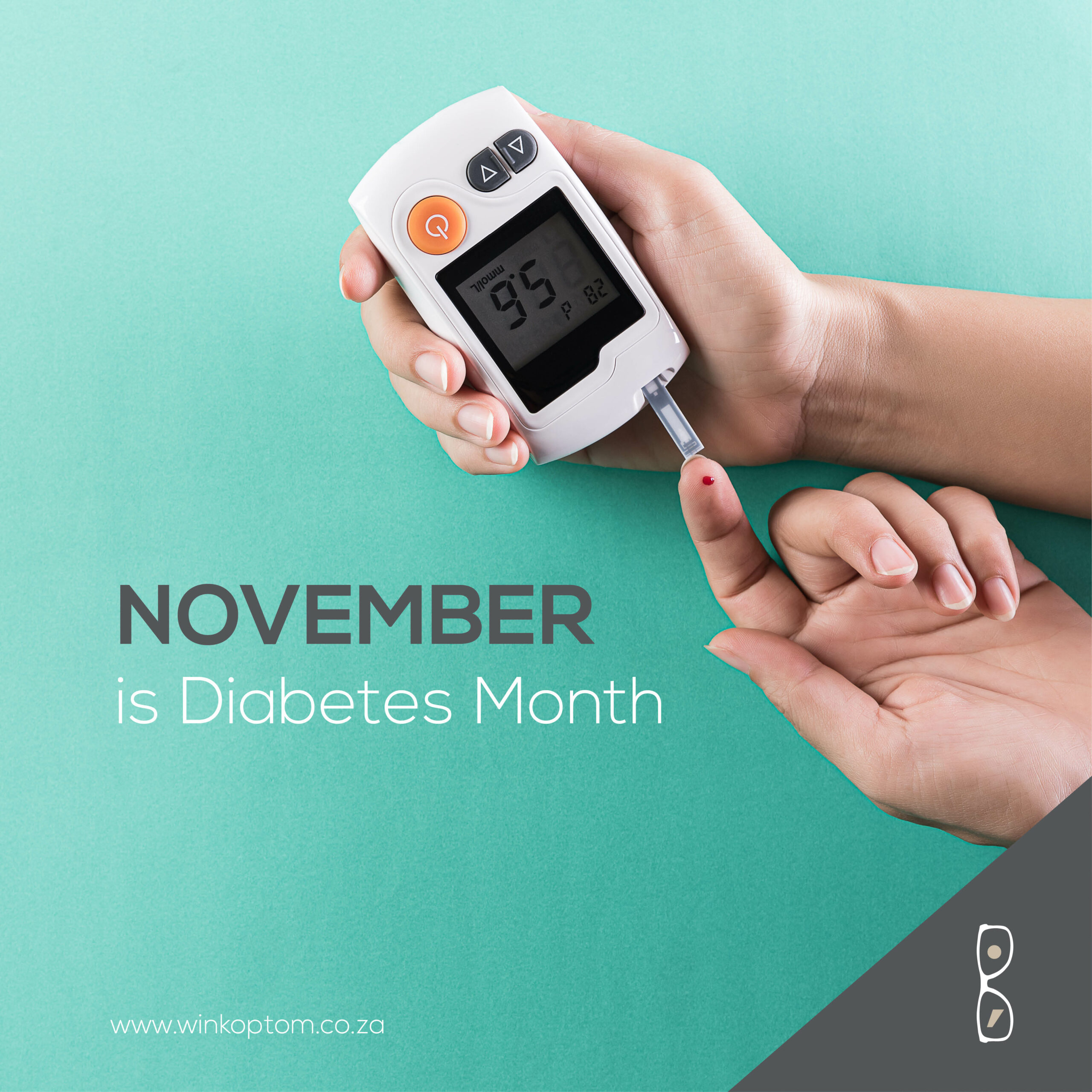
You get two different types of diabetes: Type 1 and Type 2. Typically Type 1, where the pancreas produces little or no insulin, is picked up at a young age, with children generally displaying symptoms of constant thirst, needing to urinate often, hungry all the time, often fatigued and complaining that they can’t see well.
Type 2, which affects the way the body processes blood sugar (glucose), is the one that we deal with most in our practice; reason being that most Type 2 diabetic patients are unaware that they actually have diabetes. They often come in complaining of ‘fluctuations’ in their vision – a good day of vision, followed by a bad day of vision, without any explanation. They also often pick up weight and can’t seem to lose it, although this isn’t always the case. We’ve had cases where shock and loss, patients going through some form of trauma, has also had physical and physiological repercussions, the onset of diabetes being one of them.
Ways that diabetic eye disease may affect your eyes:
Cataract: Clouding of the lens of the eye
Diabetic Retinopathy: The most common diabetic eye disease, which damages the blood vessels in the retina; the longer you have diabetes, the more likely you are to get diabetic retinopathy
Glaucoma: Increases the fluid pressure inside your eye and leads to optic nerve damage and loss of vision
Thanks to diagnostic tools such as a fundus camera, which is a specialised, low-power microscope with an attached camera designed to photograph the interior surface of the eye, we can detect changes within the back of the eye that would indicate changes within the body that need to be addressed.
We refer such patients for blood tests and a proper diagnosis, before embarking on a vision testing and maintenance protocol with them. We also advise them in terms of other diabetes-related lifestyle habits to help them manage the condition, such as taking their prescribed medication, maintaining a healthy diet and weight, staying physically active and not smoking, to lessen the risks of diabetic eye disease.
Anyone with diabetes is at risk for vision loss or blindness from diabetic eye disease. An annual, comprehensive eye examination is one of the best ways to detect the warning signs and help tackle it early on.
At linksfield, we’re all about finding the best vision solutions for our patients. If you’re struggling with vision problems or any other bothersome eye-related issue, give us a call or book an appointment with us.